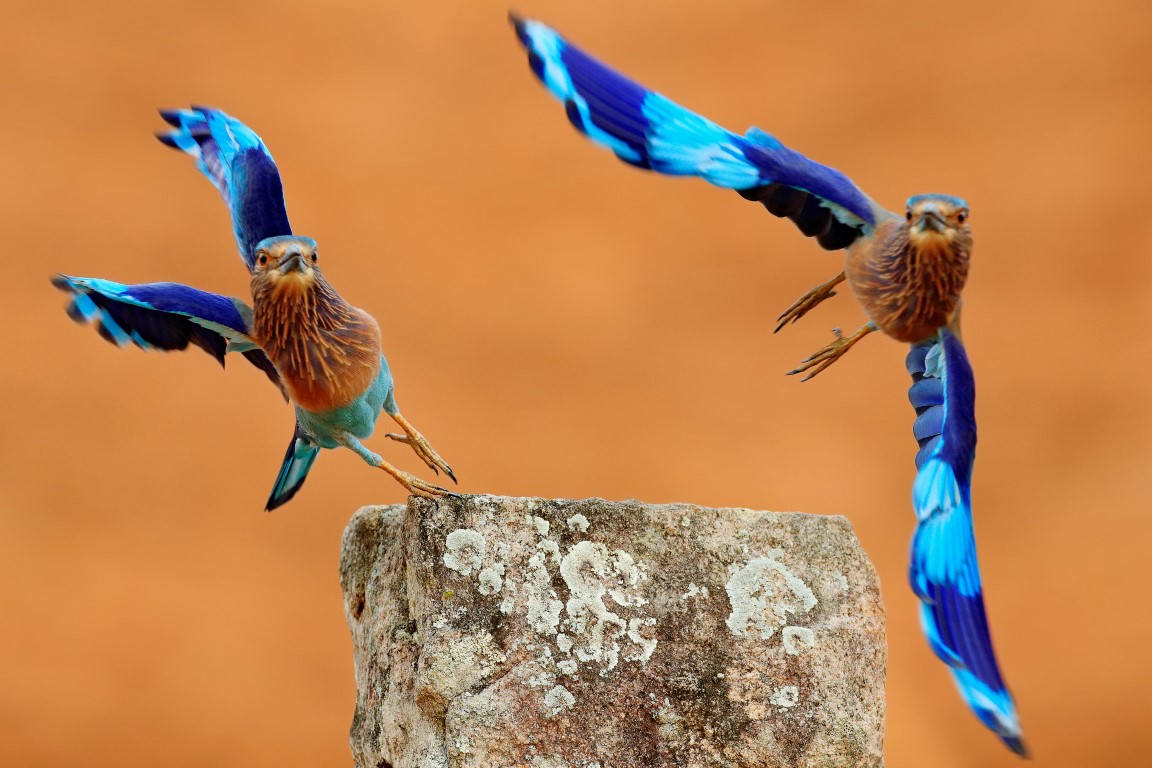
Beyond the famous beaches and bustling ports of Sri Lanka lies a hidden network of small, often overlooked islands, each holding a treasure trove of biodiversity and pristine coastal ecosystems. These forgotten islands, scattered along the east, north, and south coasts, are home to rare wildlife, endemic bird species, and untouched coral reefs that remain largely unexplored by tourists. Unlike the popular southern coastline, where crowds flock to sunbathe and surf, these islands offer solitude, a sense of discovery, and a glimpse into nature in its purest form.
The islands’ mangroves and tidal flats serve as nurseries for numerous fish species, while saltwater crocodiles, monitor lizards, and migratory birds find sanctuary in their sheltered coves. On land, dense coastal scrub and littoral forests support rare reptiles and small mammals, many of which are endemic to Sri Lanka. Each island tells its own ecological story: some are nesting grounds for sea turtles, while others are vital feeding stops for migratory shorebirds journeying thousands of miles across the Indian Ocean. For conservationists and nature enthusiasts, the islands are living laboratories, where the delicate balance between land, sea, and wildlife unfolds in real time.
Visiting these islands requires careful planning, often involving boat rides from small fishing villages or guided eco-tours led by local naturalists. The journey itself is part of the allure, with the rhythmic lapping of waves, the cries of distant seabirds, and the sight of coral-strewn shallows hinting at what lies ahead. On arrival, the landscape feels untouched, almost sacred, with no bustling hotels or commercial activity, just sandy shores, rocky outcrops, and the vibrant hum of life. Here, one can observe the rare Sri Lankan junglefowl, elegant sea eagles, and countless species of crabs and molluscs that inhabit the tidal pools.
These islands are not just about wildlife; they are snapshots of Sri Lanka’s ecological heritage. Their coastal forests filter water, protect the mainland from storms, and sustain local fishing communities that rely on sustainable harvesting practices. Engaging with these communities reveals a harmonious relationship with nature, where centuries-old knowledge ensures the survival of both people and the fragile ecosystems around them. Each island visit feels like stepping back in time, a reminder of the raw beauty of the island nation before modern development took hold. For travellers seeking adventure and a deeper connection to Sri Lanka’s natural world, the forgotten islands offer a rare opportunity. They invite exploration, quiet reflection, and an understanding of how life thrives in isolation. Beyond the crowded resorts and tourist circuits, these hidden gems are living sanctuaries, offering encounters with wildlife, coastal ecosystems, and a side of Sri Lanka that few have the privilege to witness.